 Information About Metal Grades For Non-Engineers
  Marble Vs. Granite – Which Stone Is Best For CNC Cutting?
  When To Hire A Professional Chandelier Cleaner For The Best Results
  How to Design a Kitchen for Someone Who Hates Cooking
  Mistakes To Avoid In Content Creation
  Matching Custom Art Design With Your Furniture
  Painting Classes for Adults That Make Creativity Effortless
  Things To Discuss With Interior Fit Out Contractors
  Creative Play Ideas From Pediatric Physiotherapists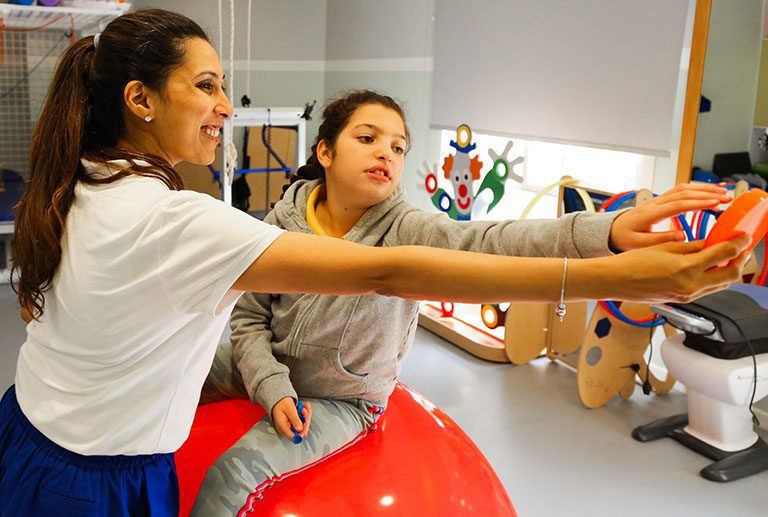
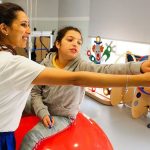
Pediatric physiotherapists use creative play to encourage physical development in children. These activities make therapy enjoyable and support muscle strength, coordination, and balance.
Through play, children learn movements naturally while having fun. Creative exercises also keep children motivated during pediatric physiotherapy sessions.
Obstacle courses:
Setting up simple obstacle courses at home or in therapy sessions helps improve balance and coordination. Children can crawl under tables, jump over cushions, or weave between cones. This type of play encourages whole-body movement and problem-solving skills while building strength.
Balloon games:
Playing with balloons is an easy way to promote hand-eye coordination and motor skills. Activities such as keeping a balloon in the air or passing it between hands encourage children to focus on controlled movements. The light weight of balloons makes these games safe and enjoyable.
Animal movements:
Imitating animal movements is a playful way to practice gross motor skills. Children can hop like frogs, waddle like ducks, or stretch like cats. These movements build muscle strength and flexibility while encouraging imagination and body awareness.
Sensory play:
Using different textures and materials in play supports sensory development. Children might explore sand, water, or soft fabrics while performing simple tasks. Sensory play improves motor skills by encouraging children to reach, grasp, and manipulate objects.
Balance activities:
Balance exercises can be turned into fun challenges. Walking along a straight line, standing on one foot, or balancing a small toy on the head all promotes stability. These activities build confidence in movement and improve body control.
Dance and movement:
Dancing to music encourages children to move freely and explore their range of motion. Simple dance routines or follow-the-leader games help develop coordination and rhythm. Dancing also supports cardiovascular health and mood.
Ball games:
Throwing, catching, and kicking balls of different sizes encourage hand-eye coordination and motor planning. Playing catch or rolling a ball back and forth makes practicing these skills feel like a game. Ball games promote social interaction when played in groups.
Combining art and movement activities allows children to express themselves while improving motor skills. For example, painting large shapes on paper placed on the floor encourages stretching and reaching. This type of play promotes creativity alongside physical development.